


About us
CIRG – the Cultural Industries Research Group focuses on research into cultural and media industries, particularly on current issues, challenges, and conflicts arising from tensions between intellectual property law, the business models of cultural industries, the digitalization and platformization of cultural sectors, and changing consumer habits. The group’s name is an acronym of its English title, Cultural Industries Research Group. CIRG is an informal association of experts from media studies, intellectual property law, media law, media ethics, cultural economics and cultural management, sociology of culture, and data analysis. The group operates on the basis of project-based funding through applied research projects (TAČR, NAKI, EEA and Norway Grants, OP JAK Intersectoral Cooperation), basic research projects (GAČR, ZIF Bielefeld, OP VVV Excellent Research, DFG), as well as contract research (State Cinematography Fund, Association of Audiovisual Producers).
At present, members of the group are involved in the project Comprehensive Research and Support for the Development of Cultural and Creative Industries in the Olomouc Agglomeration, funded under the Jan Amos Komenský Operational Programme 2021–2027: Intersectoral Cooperation for ITI. The objectives of the project are to produce expert background materials and outputs to support the development of cultural industries and sectors in the Olomouc agglomeration; to create educational materials that will help artists in the region address issues related to the creation of copyrighted works and artistic performances, their protection, dissemination, and valorization; and to provide artists in the region with legal support in the form of legal counselling and educational workshops. The project also includes the preparation of policy-oriented studies on the impact of the copyright system on cultural sectors, artists’ working conditions, and audiovisual policy. These studies are intended for representatives of public administration regulating cultural sectors and industries (State Audiovisual Fund, Copyright Unit of the Ministry of Culture, and Department of Arts, Literature and Libraries of the Ministry of Culture) and will serve as a basis for revising state cultural policy.
In our work, we follow three principles:
Openness: Cultural policy lacks demonstrable and up-to-date empirical evidence due to the dynamically developing business models of cultural industries, technological change, and rapidly evolving consumer habits. Generating and synthesizing knowledge across disciplines therefore requires an open approach. The aim of CIRG is to involve users of research outputs in the implementation of research projects at all stages, and users of educational materials in their creation and in testing their usability and practical relevance. All publication outputs of the group follow the principles of open access: public money, public good.
Interdisciplinarity: Norms and rules regulating cultural sectors are not merely a legal issue. Questions of cultural regulation are inherently political and cannot be resolved from the perspective of a single discipline. CIRG’s research projects therefore involve interdisciplinary collaboration. Within individual projects, we cooperate with domestic and international experts in data analysis, media studies, media ethics, sociology, cultural economics, cultural management, intellectual property law, social security law, information technology law, and media law.
Relevance: CIRG’s ambition is to contribute to addressing current issues related to the functioning of cultural sectors and work in the creative industries. In a rapidly changing technological environment, it is essential to consider effective and sustainable solutions to problems and challenges from a long-term perspective. We therefore seek to respond to current topics without being hasty. Our contributions to cultural policy focus primarily on audiovisual and music policy, copyright policy in the Czech Republic and the EU, cultural export policy, regulation of streaming platforms, effective governance of public cultural institutions, innovation in public service media in the online environment, and labor conditions in culture.

Lidé

Jana Horová
Department of Arts Management, Prague University of Economics and Business
cultural economics, the visual art market
detail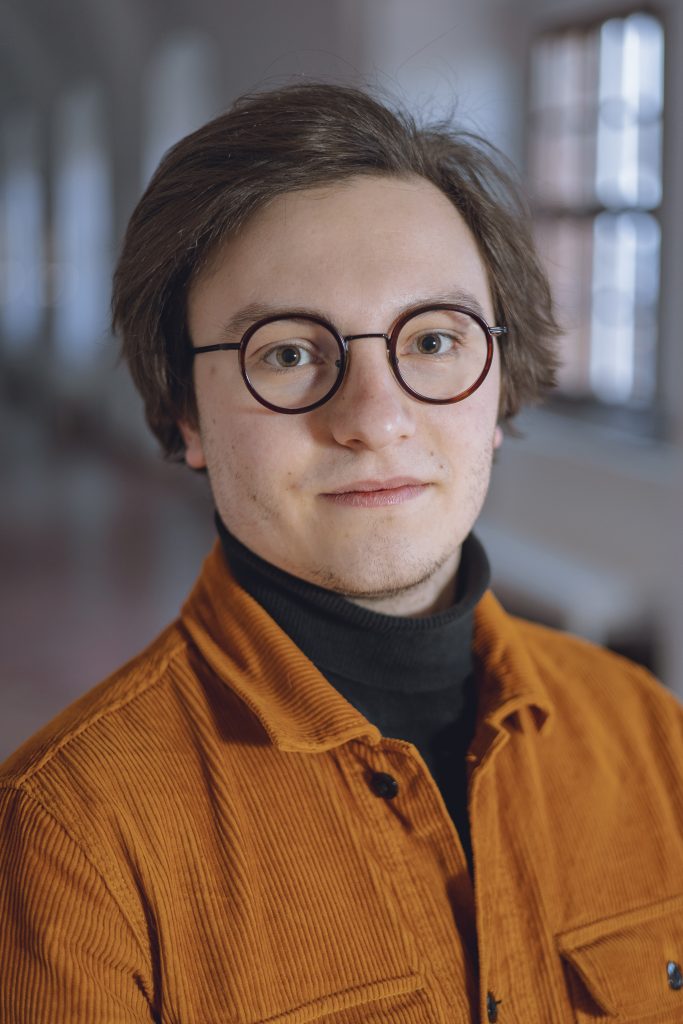
Zdeněk Rychtera
Video Studio, Faculty of Fine Arts, Brno University of Technology
documentary film, digital games, curating
detail
Lukáš Slavík
Department of Media Studies and Journalism, Masaryk University
media research methods, media audiences, journalism and news media, and trust in the media
detail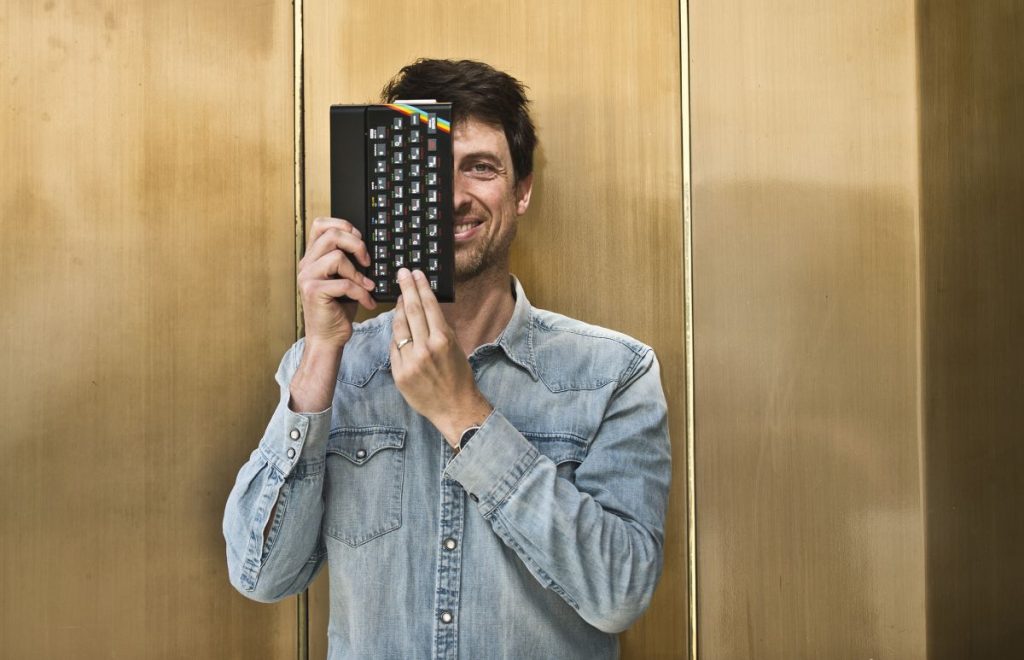
Jaroslav Švelch
The Institute of Communication Studies and Journalism, Faculty of Social Sciences, Charles University
history and theory of computer games
detail
Jan Švelch
The Institute of Communication Studies and Journalism, Faculty of Social Sciences, Charles University
game production studies, video game voice acting, monetization of video game content
detail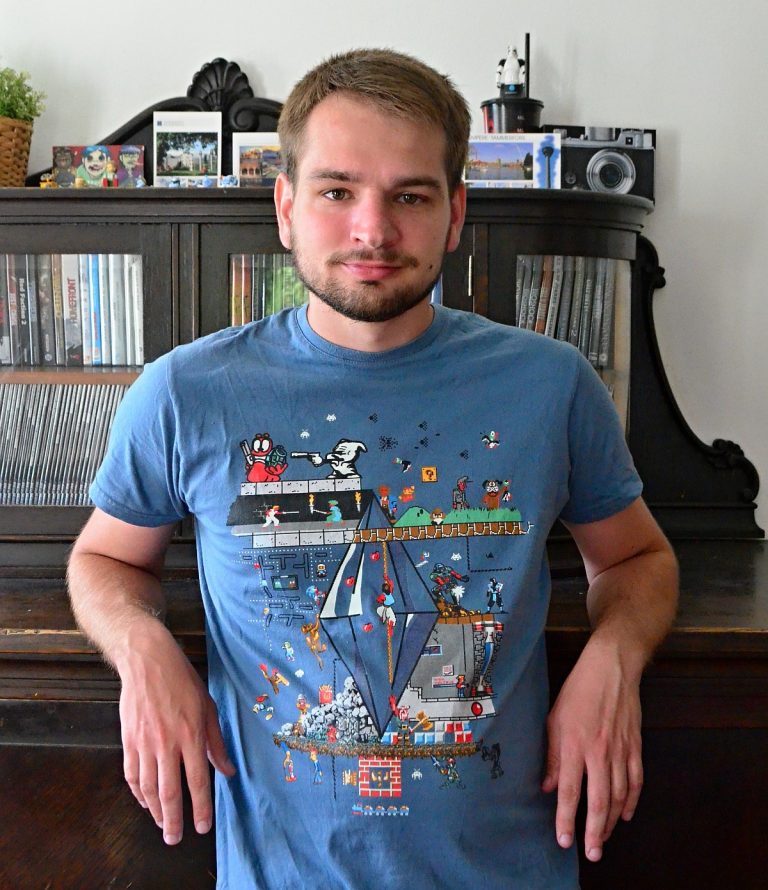
Jan Houška
The Institute of Communication Studies and Journalism, Faculty of Social Sciences, Charles University
video game industry
detail
Klára Smejkal
Department of Media Studies and Journalism, Masaryk University
public service media, sociology of organizational culture
detail
Jakub Míšek
Institute of Law and Technology, Faculty of Law, Masaryk University
data governance, open data, privacy and personal data protection
detail

Jannick Sørensen
Aalborg University
media and information technologies, recommender algorithmic systems
detail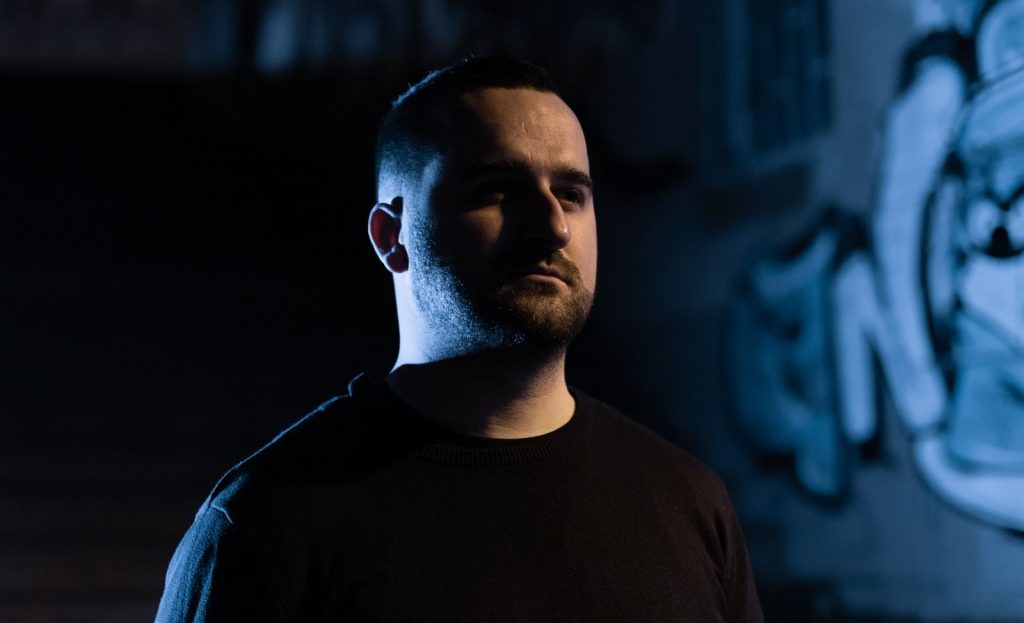
Rostislav Sliwka
OSA, z.s.
intellectual property law, collective copyright management, music industry
detail
Markéta Stejskalová
Department of Czech Studies, Faculty of Arts, Palacký University Olomouc
language editing
detail
Miroslav Krša
Department of Media and Cultural Studies and Journalism, Faculty of Arts, Palacký University Olomouc
EU cultural policy
detail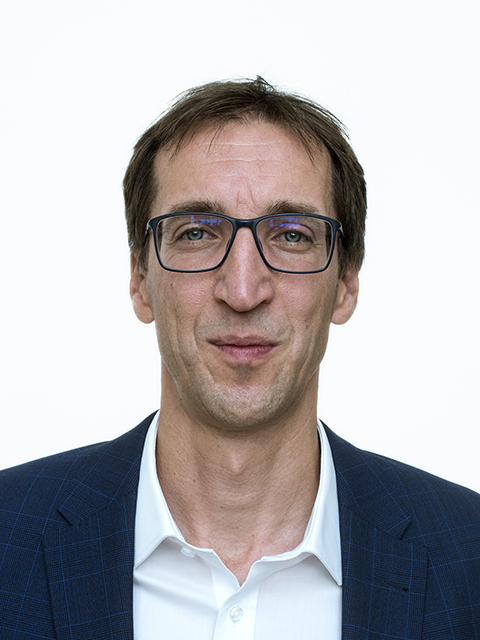
Jan Barták
DILIA – Theatre, Literary and Audiovisual Agency
copyright law, collective management of rights
detail



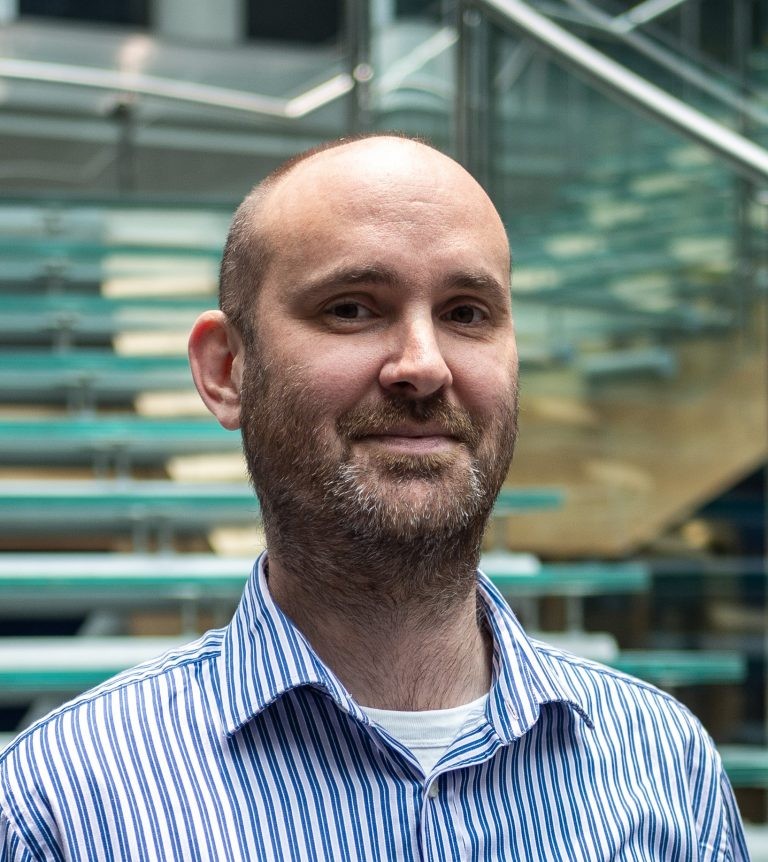
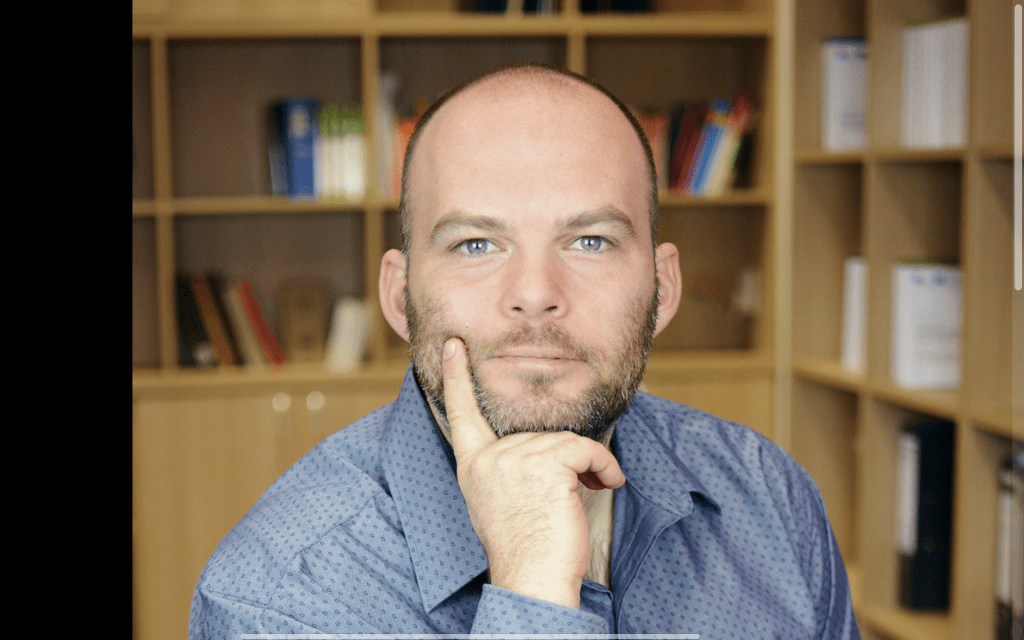
Maxim Tomoszek
Faculty of Law, Palacký University Olomouc
constitutional law, clinical legal education
detail
Michal Tomčík
Department of Social Sciences, University of Finance and Administration
data analysis, sociology, social science methodology
detail
Miloš Hroch
Department of Media Studies, Charles University
platformization of media industries, music journalism, music industry
detail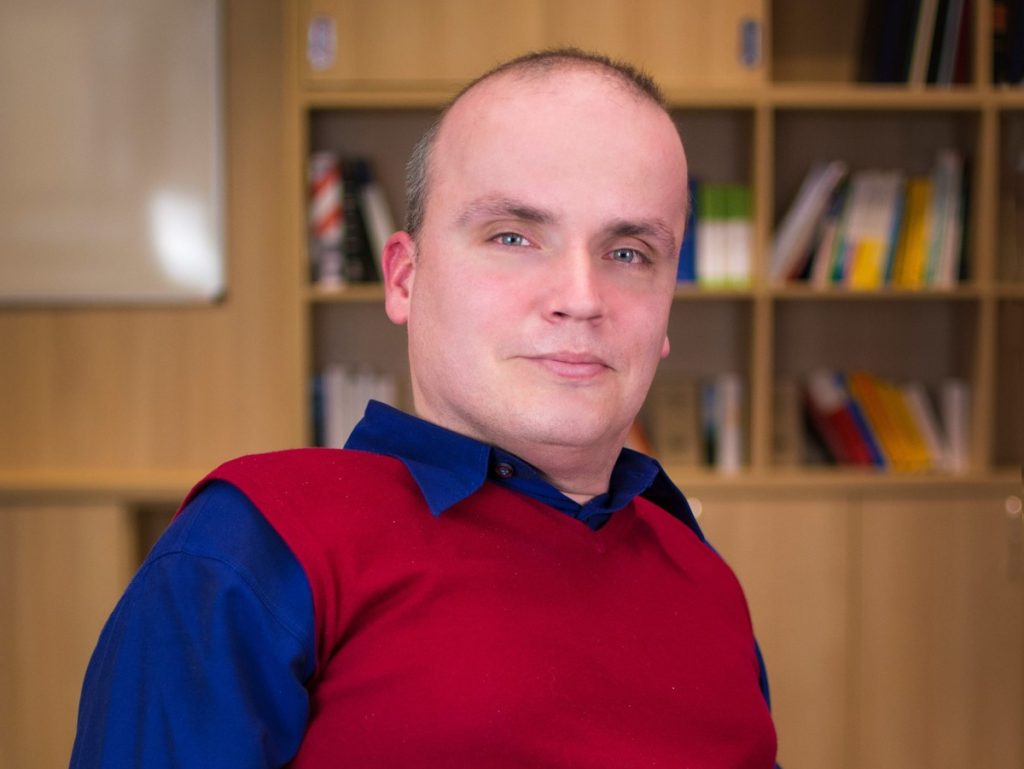
Martin Škurek
Faculty of Law, Palacký University Olomouc
social security law, public administration
detail
Václav Hodonický
Centre for Intellectual Property Law, Faculty of Law, Charles University
intellectual property law, collective management of copyright
detail

Marie Čtveráčková
Synth Library Prague
music production and education, music journalism, curatorship
detail
Marek Prokůpek
Creative Industries & Culture Expertise Centre, KEDGE Business School
museum management, fundraising, cultural financing, art market, AI in CCIs
detail
Petr Mezihorák
Institute of Sociology, Slovak Academy of Sciences
sociology of work, collective organizing, labor law enforcement
detail
Petra Šobáňová
Department of Art Education, Faculty of Education, Palacký University Olomouc
cultural education, museum and gallery education, art education
detail
Petr Szczepanik
Department of Film Studies, Charles University
film and television industry, sociology of cultural production
detail
Rudolf Leška
Department of Law, University of Finance and Administration
copyright law, media law, theatre
detail
Tereza Raabová
KREIA group
cultural economics, cultural policy, municipal cultural strategies
detail
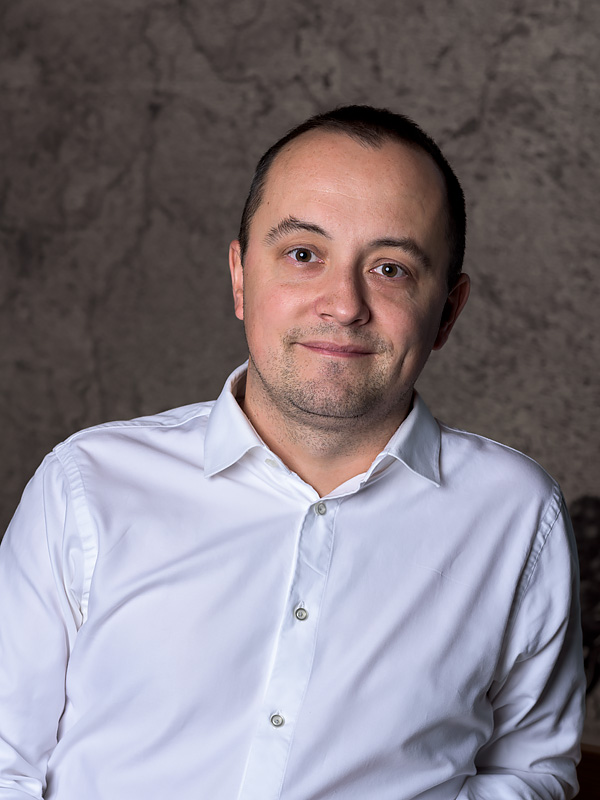
Rostislav Nétek
Department of Geoinformatics, Faculty of Science, Palacký University Olomouc
web cartography, geoinformation technologies, open source, creative industries
detail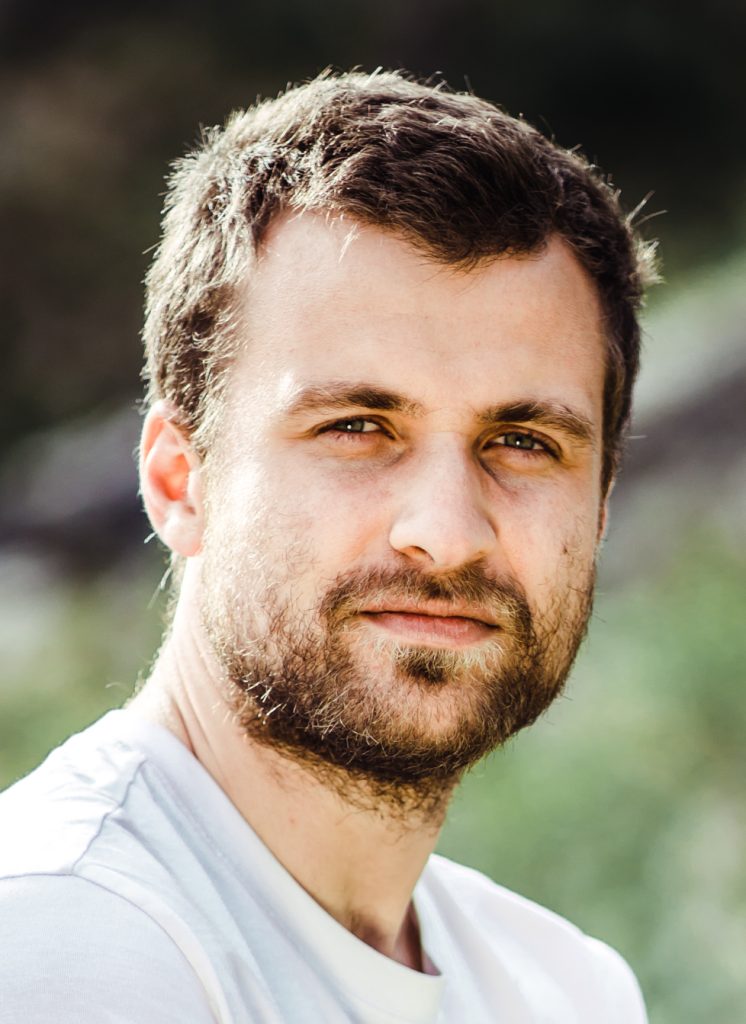
Tomáš Psutka
Department of Media and Cultural Studies and Journalism, Faculty of Arts, Palacký University Olomouc
platformization of cultural sectors, working conditions of visual artists
detail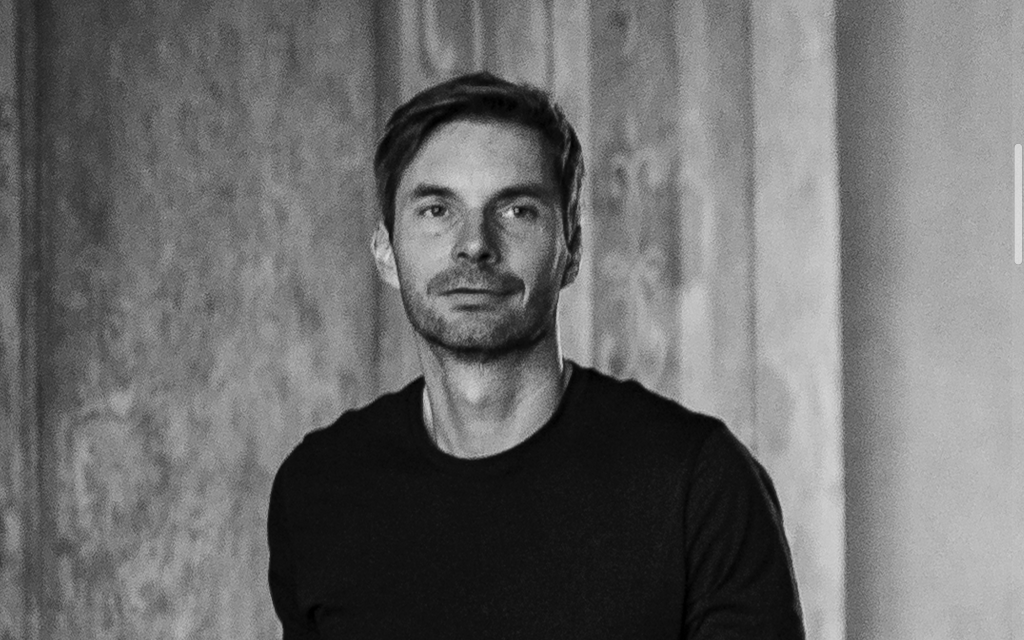
Pavel Zahrádka
Department of Media and Cultural Studies and Journalism, Faculty of Arts, Palacký University Olomouc
cultural industries, media ethics, aesthetics
detailget involved
Screen Industries in Central and Eastern Europe Research Group
SIRG
Charles University
Department of Film Studies
Lab head: Petr Szczepanik
sirg@ff.cuni.cz
PhD
We offer the opportunity to pursue doctoral study focused on developing and carrying out your own research projects in the field of cultural and media industries. The programme can be undertaken at Palacký University Olomouc, Charles University, or the Prague University of Economics and Business under the supervision of leading experts in media studies, cultural economics, digital ethics, and copyright law.
moreStudent Legal Clinic for Authors and Performing Artists
The Student Legal Clinic focuses on a wide range of legal issues, including copyright law. Supervisors overseeing the preparation of each legal opinion are always experts in the relevant field of law. The advice is provided free of charge.
more